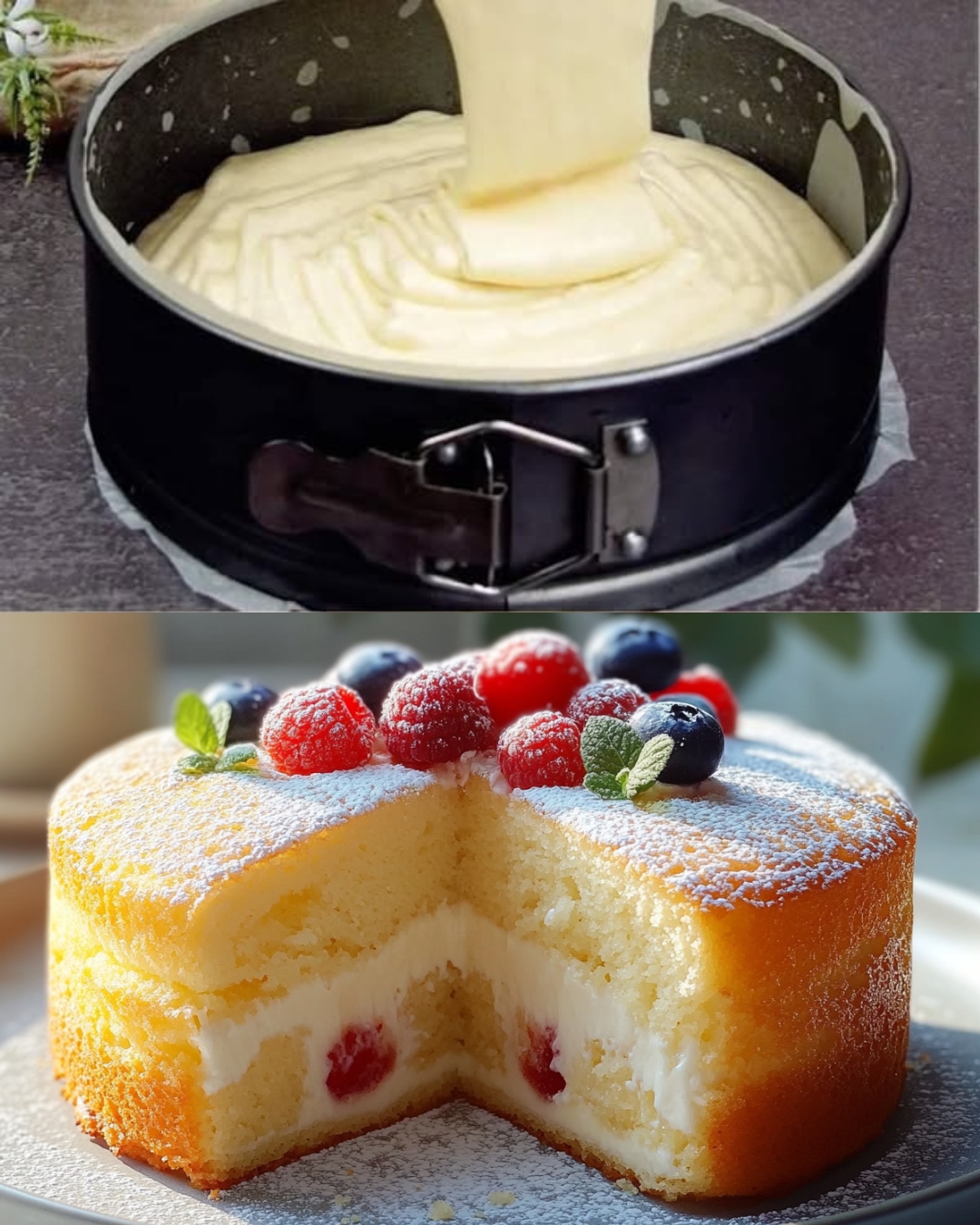
Unlock Super Moist Bakes: Yogurt's Secret to Fluffy Cakes
Imagine biting into a slice of cake that's not just sweet, but incredibly moist, tender, and boasts a delicate crumb that practically melts in your mouth. What if we told you the secret to achieving this baking nirvana isn't some exotic ingredient, but a humble dairy staple often found in your fridge? Enter yogurt – the unassuming hero transforming ordinary bakes into extraordinary delights. From fluffy everyday treats to sophisticated desserts, the power of a simple pot of yogurt can elevate your yogurt cake to new heights, delivering a moistness and tender texture that's simply unbeatable. If you've been searching for that magical touch to make your cakes sing, you're about to discover why yogurt is every baker's best-kept secret.
The Science Behind the Super Moist Yogurt Cake
Yogurt isn't just a delicious breakfast or snack; it's a powerhouse ingredient in baking, particularly when the goal is a super moist and light texture. Its unique composition contributes significantly to the final product, making it a stellar substitute for milk, buttermilk, or even sour cream in many recipes.
Why Yogurt is a Baker's Best Friend
- Unmatched Moisture: Yogurt is primarily composed of water and milk solids. When incorporated into cake batter, it introduces a substantial amount of liquid without thinning the batter excessively. This high moisture content translates directly to a deeply hydrated crumb that stays moist for days, preventing the dreaded dry, crumbly cake syndrome.
- Tenderizing Acidity: The lactic acid present in yogurt plays a crucial role. Not only does it react with baking soda (a common leavening agent) to produce carbon dioxide, creating a light and airy texture, but it also helps to break down gluten in the flour. This tenderizing effect ensures your cake has a delicate, soft crumb rather than a tough, chewy one.
- Subtle Tang and Enhanced Flavor: Beyond its textural benefits, yogurt imparts a gentle tang that beautifully balances the sweetness of a cake. This slight acidity can brighten other flavors, making fruit notes more vibrant or chocolate deeper. Whether it's a hint of lemon in a Bundt cake or a creamy richness in a chocolate cake, yogurt elevates the overall taste profile.
- Rich Mouthfeel: Especially with full-fat varieties, yogurt contributes to a luxurious mouthfeel. It adds a creaminess that makes each bite feel indulgent, without making the cake overly heavy or dense.
Greek vs. Plain vs. Flavored: Choosing Your Yogurt
The beauty of baking with yogurt lies in its versatility. You can tailor your choice of yogurt to suit the specific cake recipe and desired flavor profile.
- Plain/Natural Yogurt: This is your most versatile option. With no added sugars or flavors, it allows other ingredients to shine and offers the purest form of yogurt's benefits. It's ideal for classic easy yogurt cake recipes where you want to control all the flavor additions yourself.
- Greek Yogurt: Thicker and higher in protein, Greek yogurt can create an even richer, denser, yet still incredibly moist cake. Its concentrated nature means you might sometimes need to thin it with a little milk to achieve the right batter consistency, especially in recipes originally calling for standard plain yogurt. It lends itself well to robust flavors like lemon or olive oil.
- Flavored Yogurt: This is where the fun begins! Using flavored yogurts like lemon, vanilla, strawberry, or banana can effortlessly infuse your cake with a delightful taste. Keep in mind that flavored yogurts often contain added sugar, so you might need to slightly adjust the sugar content in your recipe to avoid an overly sweet result. They are fantastic for quick loaf cakes or simpler bakes where you want a shortcut to complex flavors.
- Fat Content: Full-fat yogurt will yield the richest, most decadent cake, maintaining moisture for longer. Low-fat varieties can be used for a slightly lighter cake, as seen in a blueberry yogurt pound cake recipe that uses low-fat vanilla yogurt to take a box mix to the next level without sacrificing moisture.
A World of Flavor: Creative Yogurt Cake Inspirations
The possibilities are endless when it comes to incorporating yogurt into your cakes. Here are some inspiring ideas, drawing from classic and innovative recipes alike, that showcase yogurt's incredible range.
From Classic Bundts to Family Favorites
- Lemon Yogurt Bundt Cake: A five-star favorite, a lemon yogurt Bundt cake often uses a pot of lemon yogurt in place of sour cream, providing a wonderful tang and tender crumb. Its versatility allows for endless additions like lemon zest, dried cranberries, fresh berries, chopped nuts, or mini chocolate chips. A simple berry sauce makes for a lovely light dessert.
- Banana Yogurt Loaf Cake: For a delightful no-frills treat, a banana yogurt loaf cake made with banana-flavored Greek yogurt, white chocolate chips, and walnuts is hard to beat. Feel free to vary the mix-ins with milk chocolate and almonds or dark chocolate and pistachios.
- The French Classic: Gâteau au Yaourt: Known as the French yogurt cake, this wonderfully easy yogurt cake recipe is famously kid-friendly, often using the yogurt container itself to measure ingredients. This ingenious method makes prep and clean-up an absolute breeze. Try adding half a yogurt container of mini chocolate chips or using lemon yogurt with extra lemon zest for a vibrant twist.
- Awesome Yogurt Coffee Cake: A not-too-sweet coffee cake with a delightful brown sugar-cinnamon topping can quickly become a family favorite for breakfast or brunch. Experimenting with different yogurt flavors can yield surprising results, with many bakers finding lemon yogurt to be a particular standout for its bright notes.
Decadent Delights and Fruity Fantasies
- Chocolate Yogurt Cake: For chocolate lovers, full-fat yogurt is the secret to a whole wheat chocolate mocha cake that remains incredibly moist for several days. Serve it simply with a dusting of powdered sugar and fresh berries for an elegant touch, or go all out with a rich chocolate frosting for a truly decadent dessert.
- Blueberry Yogurt Pound Cake: Elevate a simple box of cake mix by adding a cup of low-fat vanilla yogurt. This creates a lighter, yet intensely moist pound cake. A clever trick to prevent blueberries from sinking and to add a hint of spice is to toss them lightly in ground cinnamon before folding them into the batter. This ensures even fruit distribution and an extra layer of flavor.
- Greek Lemon Cake: This lovely, light cake celebrates fresh citrus with lemon zest, lemon juice, and plain whole-milk yogurt. If you opt for Greek-style yogurt, a splash of milk can help thin it slightly for easier incorporation, ensuring a smooth batter and perfect texture.
- Blood Orange Yogurt Olive Oil Cake: For a seasonal treat, this cake combines the super moist qualities of Greek yogurt and olive oil. With relatively little added sugar in the cake itself, it's perfect for topping with a sweet, vibrant glaze made from blood orange juice. Regular oranges work beautifully if blood oranges aren't in season. This cake showcases how yogurt can enhance complex, sophisticated flavor profiles.
- Lime-Mint Pound Cake with Strawberry Filling: Yogurt shines in pound cakes, providing the necessary moisture and tenderizing effect. Strawberries and lime are a natural pairing for a fresh filling, complementing the bright notes that yogurt helps bring to the cake. This is a fantastic example of exploring tangy and moist yogurt cake flavors.
Tips for Baking the Perfect Yogurt Cake
While yogurt is forgiving, a few simple tips can ensure your yogurt cake turns out perfectly every time:
- Room Temperature Ingredients: Always ensure your yogurt and other dairy ingredients are at room temperature. This helps them emulsify properly with the fats in the batter, leading to a smoother mixture and a more uniform texture.
- Don't Overmix: As with most cakes, overmixing can develop gluten, resulting in a tough cake. Mix until just combined, especially after adding the flour. A gentle hand is key to a tender crumb.
- Measure Accurately: Yogurt's consistency can vary, so measure it precisely, especially when it's a primary liquid component. If substituting for buttermilk or sour cream, a 1:1 ratio generally works well, though you might need to adjust based on thickness.
- Adjust for Sweetness: If using flavored or sweetened yogurts, consider reducing the sugar content in your recipe slightly to maintain balance. Taste your batter if possible, or start with a small reduction and adjust next time.
- Check for Doneness: Due to its high moisture content, yogurt cakes can sometimes require a slightly longer baking time than traditional cakes. Rely on the visual cues and the classic toothpick test (insert a toothpick into the center; it should come out with moist crumbs, not wet batter).
- Storage: One of the perks of a yogurt cake is its superior keeping qualities. Thanks to the yogurt, these cakes tend to stay moist and fresh for several days when stored properly in an airtight container at room temperature or in the refrigerator.
Yogurt is more than just an ingredient; it's a secret weapon in the baker's arsenal, promising cakes that are not just delicious but consistently moist, tender, and full of character. Whether you're a seasoned baker or just starting, incorporating yogurt into your cake recipes is a game-changer. So next time you're planning to bake, reach for that pot of yogurt and prepare to unlock a world of super moist, fluffy, and utterly delightful cakes that will impress every palate.
